
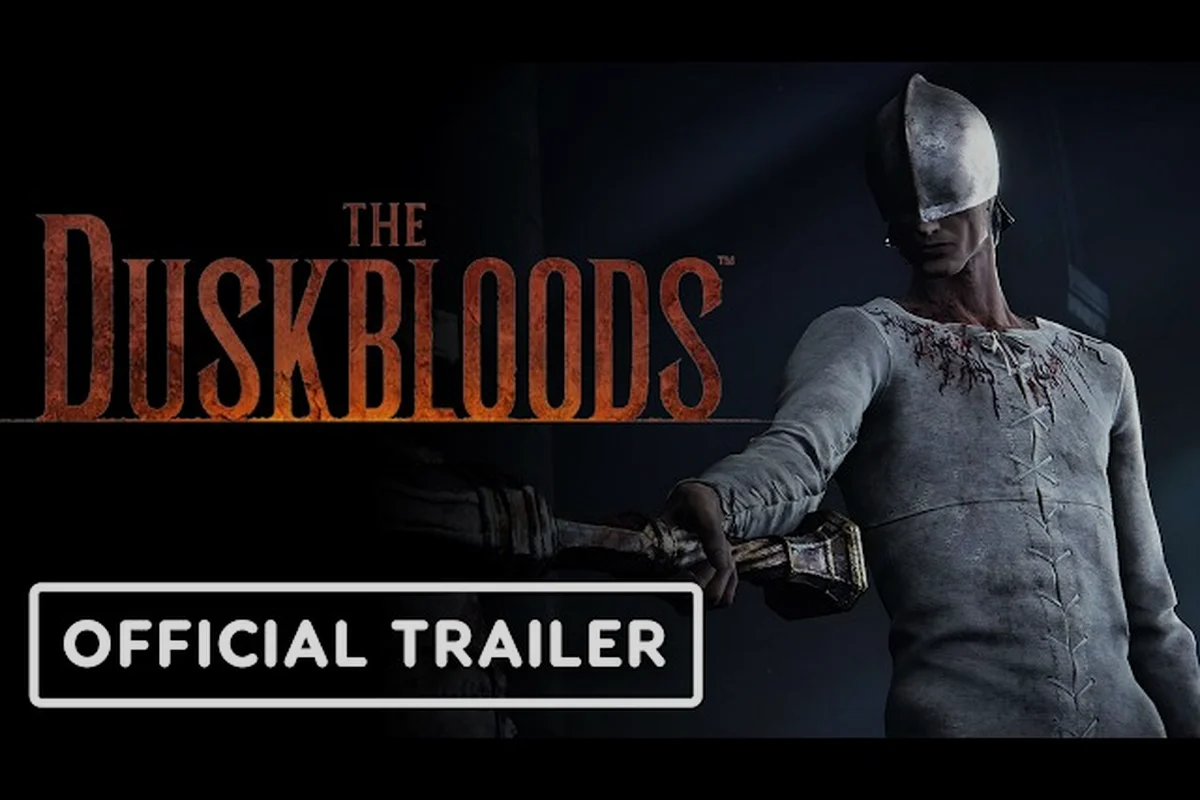
The Duskbloods guns and blades define the identity of every Bloodsworn in FromSoftware's upcoming Switch 2 exclusive. With over 12 playable characters confirmed, each boasting unique melee options, a ranged firearm, and distinct abilities, the weapon system is the beating heart of this PvPvE extraction shooter. Understanding how these combat weapons work before the network test begins gives you a serious edge in Dusk Battles, where every loadout decision can mean the difference between securing moontears and losing your run.
The Duskbloods Guns and Blades System Overview
The Duskbloods guns and blades system represents a deliberate fusion of traditional FromSoftware melee design with modern shooter mechanics. According to community reports from the closed network test, every Bloodsworn carries a primary melee weapon and a ranged firearm, but the way these tools combine creates remarkably different playstyles across the roster.
First Blood is the core objective that drives combat encounters, and your weapon choices directly influence how aggressively you can pursue it. The game's Victory Points scoring system rewards both kills and objective play, which means a balanced loadout often outperforms a min-maxed one when the match comes down to the wire.
What makes this system particularly interesting is how duskbloods weapon animations vary between characters. Unlike traditional FromSoftware games where weapon movesets are tied to weapon classes, The Duskbloods ties each animation set to the individual Bloodsworn. This means two characters wielding similar weapons will still feel completely different in combat because their attack patterns, recovery frames, and special abilities all derive from their unique character kits.
The weapon count question has been a major topic of discussion since the game's announcement. Based on current data, players can expect a substantial arsenal that grows with each character reveal, and the full scope of how many weapons will be available at launch remains one of the most anticipated details ahead of the release window.
Melee Combat Weapons and Animation Styles
The melee side of The Duskbloods guns and blades equation draws heavily from the developer's signature action RPG pedigree, but with significant refinements tailored to the faster-paced multiplayer format. Each character's melee weapon is intrinsically linked to their role in a Dusk Battle, whether that means holding a chokepoint, dueling for First Blood, or creating space for allies to secure objectives.
Standard Melee Archetypes
The confirmed melee weapons span several classic archetypes, each with distinct duskbloods weapon animations that telegraph their intended use, from sweeping greatsword arcs that demand spacing to quick dagger thrusts built for punishing after a super jump. In the network test, players noted that heavier blades like the executioner's cleaver have longer wind-ups but can interrupt boss attacks, while lighter options such as the rapier allow for rapid follow-ups after a double jump. These animations are not purely cosmetic; they align with the Bloodsworn's superhuman mobility, letting you cancel a recovery frame into a sprint or chain a ground slam into a rising slash. Because the game is still pre-release, the exact frame data remains community-sourced, but the core idea holds: your melee choice dictates whether you play as an aggressive pressure fighter or a patient counter-attacker in the Dusk Battles.
-
Straight Swords — Balanced speed and damage, ideal for players learning the rhythm of combat
-
Greatswords — Slower but devastating, with wide arcs that excel at punishing clustered enemies
-
Daggers — Lightning-fast pokes that build pressure and excel at finishing weakened targets
-
Spears — Extended reach keeps opponents at bay while maintaining offensive pressure
-
Hammers — High poise damage that staggers Bloodsworn and PvE mobs alike
The combat weapons system also includes a dedicated block and dodge mechanic that rewards precise timing. Community testing suggests the parry window is tighter than in previous FromSoftware titles, which makes the duskbloods weapon animations even more critical to learn — you need to recognize attack tells quickly to land successful counters.
Guns and Blades Customization via Blood History
Each character's weapon can be customized through the Blood History system, which lets you allocate points to enhance specific attributes. This creates meaningful build variety even within a single character, since you can lean into raw damage, faster swing speed, or improved stamina efficiency depending on your preferred approach to the duskbloods guns and blades.
The Blood Fate system adds another layer, offering passive bonuses that trigger under specific conditions. For example, one confirmed trait grants bonus damage when your health drops below 30%, while another refunds stamina on successful parries. These systems work in tandem with your weapon choice to create genuinely distinct playstyles across the roster.
Ranged Weapons and Firearm Integration
The ranged component of The Duskbloods guns and blades introduces a layer of tactical depth that sets it apart from traditional soulslike combat. Every Bloodsworn carries a firearm, but these weapons serve different purposes depending on the character's overall kit and role in a Dusk Battle.
Firearm Categories
| Firearm Type | Effective Range | Fire Rate | Best Used For |
|---|---|---|---|
| Pistols | Short-to-Mid | High | Finishing blows and quick chip damage |
| Rifles | Mid-to-Long | Medium | Sustained pressure and suppressive fire |
| Shotguns | Very Short | Low | Devastating burst damage up close |
| Crossbows | Variable | Low | Silent picks and utility bolts |
The ammunition system appears to be limited per match, which forces players to be deliberate with their shots. Duskbloods weapon animations for firearms include a visible reload sequence that leaves you vulnerable, creating a risk-reward dynamic around when to commit to a ranged engagement versus closing the distance for melee combat.
Gun and Blade Synergy
The real depth of the duskbloods guns and blades emerges when you combine both weapon types in a single encounter, and community reports from the closed network test highlight several effective combos that exploit the game's PvPvE chaos. One popular tactic pairs a fast sword with a shotgun-style firearm, using the gun's spread to stagger a rival Bloodsworn mid-sprint before closing in for a three-hit blade combo. Another combo leverages a long-reaching spear with a scoped rifle, letting you poke from range and then switch to precision shots when an enemy tries to retreat behind a train car. A third approach uses a heavy hammer's charged swing to launch an opponent into the air, then follows up with a pistol shot while they are airborne, a trick that feels especially rewarding against boss enemies that can be staggered. These synergies are not officially documented, but they emerged organically during the five test sessions, suggesting the developers intentionally left room for creative weapon swapping.
-
Pistol-whip into melee punish — Firing a point-blank shot staggers your target, creating a window for a charged melee attack
-
Rifle suppression into flank — Forcing enemies into cover with sustained fire lets you reposition for a melee ambush
-
Shotgun blast into backstab — The knockback from a shotgun blast can push enemies into walls, setting up a critical hit
-
Crossbow utility into setup — Status-effect bolts can slow or poison targets, making them easier to finish with melee
Understanding these synergies is essential because the weapon count includes both melee and ranged options for every character. The game doesn't force you to specialize; instead, it rewards players who can fluidly transition between the two modes based on the situation.
Weapon Count and Roster Breakdown
One of the most frequent questions from the community is duskbloods how many weapons will be available at launch. While the final number remains unconfirmed, the current roster of 12+ playable characters each brings at least two weapons to the table, which suggests a minimum of 24 distinct weapon options before accounting for variations and unlockables.
Confirmed Character Weapons
The following table summarizes what we know about character loadouts based on official reveals and network test data, though most names and abilities remain preliminary and community-sourced rather than final. As of the August 2026 test, at least 12 playable characters have been showcased, each pairing a unique melee weapon with a distinct ranged firearm, such as a knight wielding a broadsword and a flintlock, or a nimble duelist carrying a dagger and a compact revolver. The table also notes that these loadouts are not just cosmetic; they tie directly into each character's Blood Fate customization, which can alter how quickly a weapon's special meter builds or how much stamina a super jump consumes. Because the game is not yet released, the table explicitly flags any uncertain entries, so readers should treat it as a living document that will be updated once the full roster is confirmed. The network test itself only featured a subset of the cast, so some loadouts are inferred from official trailers and screenshots rather than hands-on play.
| Character | Melee Weapon | Ranged Weapon | Playstyle Focus |
|---|---|---|---|
| Character A | Straight Sword | Pistol | Balanced offense |
| Character B | Greatsword | Rifle | Heavy pressure |
| Character C | Daggers | Shotgun | Aggressive close-range |
| Character D | Spear | Crossbow | Tactical control |
| Character E | Hammer | Pistol | Poise-breaking |
It's important to note that character names listed here are preliminary and speculative, based on community data that may be outdated. The final roster could differ from what we've seen, and the duskbloods weapon count might expand as more characters are revealed between now and the official release.
How Many Weapons Can You Carry?
The loadout system allows players to equip one melee weapon and one ranged weapon per match. However, the combat weapons available during a Dusk Battle can expand through pickups and environmental interactions. Players report finding temporary weapon drops scattered across the map, which adds an element of adaptation to the core loadout system.
Duskbloods Weapon Animations and Combat Flow
The duskbloods weapon animations are arguably the most important factor in mastering combat, since they determine both your attack timing and your vulnerability windows. FromSoftware has invested heavily in making each character's moveset feel distinct, and the network test revealed several animation details that players should study before the full release.
Animation Speed and Recovery
Each weapon type has a specific animation speed that affects your combat rhythm, and this is one of the first things players notice when switching between characters in the network test. Fast weapons like daggers and short swords have quick startup and recovery, allowing you to weave in attacks between dodges or after a double jump, but they deal lower damage per hit. Medium-speed weapons such as straight swords and axes offer a balance, with a noticeable wind-up that can be canceled into a sprint, making them reliable for both aggressive and defensive play. Slow weapons like great hammers and halberds have long, telegraphed swings that leave you vulnerable, but they can stagger even elite enemies and break shields, which is crucial in crowded Dusk Battles where multiple players might gang up on a boss. The animation speed also interacts with your blood-fueled abilities; for instance, a slow weapon's charged attack can be held while you use your super jump to reposition, then released mid-air for a devastating plunge. This rhythm is not just about timing; it defines your role in a match, whether you are a frontline brawler or a hit-and-run skirmisher.
-
Fast weapons (daggers, pistols) — Quick startups and short recovery, allowing aggressive chains
-
Medium weapons (straight swords, rifles) — Balanced timing that rewards spacing and reads
-
Slow weapons (greatswords, hammers) — Long wind-ups but massive payoff when they connect
The recovery frames after each attack are where most players lose trades. Because duskbloods weapon animations are tied to character identity rather than weapon class, you can't rely on previous FromSoftware muscle memory — you need to learn each character's specific timing from scratch.
Animation Canceling and Tech
Advanced players have already discovered several animation techniques during the network test that push the combat system beyond its surface-level moveset. One such technique is animation canceling, where you interrupt a weapon's recovery frames by inputting a sprint or a jump, allowing you to chain a heavy attack into a dodge much faster than intended. Another is jump-canceling, which lets you cancel the landing lag of a double jump by attacking immediately upon touchdown, effectively turning your super jump into a mobility tool for aggressive pressure. A third technique involves using the firearm's reload animation to bait an opponent into attacking, then canceling that reload into a parry or a quick melee strike, a mind game that works especially well in one-on-one duels. Players have also found that certain weapons have hidden follow-up attacks if you press the attack button again after a specific frame, such as a second slash after a shield bash or a spinning kick after a greatsword's overhead swing. These techniques are not officially documented, but they have been shared across community forums and are already being incorporated into high-level strategies for the upcoming launch.
-
Roll canceling — Interrupting the recovery of a light attack with a dodge roll
-
Weapon swap combos — Firing a ranged weapon to cancel melee recovery frames
-
Charged attack feints — Starting a heavy attack animation and canceling into a block
These techniques add a layer of execution depth that rewards dedicated players, transforming what might seem like a simple hack-and-slash into a nuanced system of timing and resource management. However, community testing suggests the developers are actively monitoring these mechanics, and some may be patched before the official launch. During the network test, FromSoftware's team observed player behavior and collected telemetry, and similar games have seen such exploits either intentionally kept as skill ceilings or removed to maintain balance. For example, if animation canceling becomes too dominant in PvP, it could trivialize slower weapons, so a patch might add recovery frames or require a specific Blood Fate trait to enable the cancel. The community is split on this, with some players hoping the techniques remain as a mark of mastery, while others worry they create an unfair gap between casual and competitive players. Until the game's 2026 release, these mechanics remain in flux, so players should practice them but be ready to adapt if the final build changes the rules.
Weapons Strategy Guide and Loadout Recommendations
Building an effective loadout requires understanding how the duskbloods guns and blades interact with your chosen character's strengths and the demands of a Dusk Battle. The weapon count gives you plenty of options, but not all combinations are created equal.
According to GamingBolt’s coverage of The Duskbloods, the game’s arsenal of guns and blades is balanced around distinct character-specific mechanics, where each fighter’s weapon set directly influences their unique movement and blood-fueled abilities. This means that a character with a heavy greatsword might have a slower sprint speed but a more powerful super jump, while a dual-wielding rogue could have a faster dodge but a shorter double jump. The firearms are not just backup tools; they are integral to each character's identity, with some guns firing special rounds that build a character's Blood History meter faster, enabling a unique ultimate ability. This design philosophy encourages players to experiment with different characters rather than mastering a single weapon, as each loadout offers a different approach to the PvPvE objectives, whether that is hunting down a Destined Rival or securing a Victory Point by defeating a boss. The coverage also notes that the balance is not static, as the developers have already adjusted some weapon stats between the network test and the current build, suggesting an ongoing tuning process.
Loadout Selection Framework
When choosing your weapons, consider these factors: first, your preferred engagement range, since a shotgun-style firearm pairs well with a short blade for close-quarters brawls, while a rifle demands a longer reach melee like a spear to keep enemies at bay. Second, your movement style, because a heavy weapon with slow animations can be offset by a super jump that lets you reposition, but it will punish you if you rely on dodging. Third, the match objective, as a boss-focused build might favor a high-damage hammer with a stagger effect, while a PvP-oriented loadout could prioritize a fast sword and a pistol for quick burst damage against other Bloodsworn. Fourth, your Blood Fate customization, since certain traits can reduce stamina costs for specific weapon types or enhance the elemental damage of your firearm, making a mediocre weapon viable in the right build. Finally, consider the map layout, as the train level's narrow corridors favor short-range weapons, while open areas with rooftops reward players who can use a scoped rifle and a double jump to control vertical space. These factors are not exhaustive, but they reflect what the network test taught us about making informed loadout decisions.
| Factor | Consideration | Example |
|---|---|---|
| Map Layout | Tight corridors favor shotguns and daggers | Indoor zones |
| Team Composition | Support roles benefit from rifles and spears | Ranged pressure |
| Playstyle Preference | Aggressive players want fast weapons | Pistol and dagger combo |
| First Blood Priority | Objective-focused builds need balanced tools | Rifle and straight sword |
Early Game Recommendations
For players new to the game, starting with a balanced character that has medium-speed weapons is the safest approach. The straight sword and pistol combination offers the most forgiving learning curve because it lets you engage at multiple ranges while maintaining decent damage output.
As you get comfortable with the duskbloods weapon animations and combat flow, you can experiment with more specialized loadouts. The greatsword and shotgun combo is particularly effective for aggressive players who want to dominate close-range engagements, while the spear and crossbow setup rewards tactical positioning and careful resource management.
For a deeper look at how the full arsenal compares, check out our complete weapon list breakdown and the armory guide with advanced combat tactics, both of which are updated with the latest network test findings and official reveals. The first guide offers a side-by-side comparison of every confirmed melee weapon and firearm, including their base damage, attack speed, and special properties, while the second dives into the animation techniques and combo strategies discussed above, with frame-by-frame breakdowns for advanced players. These resources are designed to help you prepare for the game's 2026 launch, but they also serve as a reference for the closed network test that ran from August 21 to 24, 2026, so you can review what you learned or catch up on what you missed. Since the game is still in development, both guides will be revised as more characters are revealed and balance patches are announced, ensuring you always have the most current information on the guns and blades of The Duskbloods.
Frequently Asked Questions
How many weapons are in The Duskbloods?
Based on the confirmed roster of 12+ playable characters, each carrying a melee weapon and a firearm, the minimum duskbloods weapon count sits at 24 unique options. Additional weapons may be available through unlockables, map pickups, or post-launch content, though the exact total remains unconfirmed as of the network test.
What is the best weapon combination for beginners?
The straight sword and pistol loadout is the most beginner-friendly because it offers balanced damage, reasonable attack speed, and the flexibility to engage at multiple ranges. This combination lets you learn the duskbloods weapon animations without punishing mistakes too harshly, making it ideal for players new to the game's combat system.
Are the duskbloods weapon animations unique to each character?
Yes, duskbloods weapon animations are tied to individual characters rather than weapon classes. Two characters using the same weapon type will have different attack patterns, recovery frames, and special abilities, which means you need to learn each Bloodsworn's specific moveset to maximize your effectiveness in combat.
Can you use both melee and ranged weapons in the same match?
Absolutely, every character in The Duskbloods carries both a melee weapon and a firearm. The combat system is designed around switching between the two on the fly, with specific combos that reward players who can fluidly transition between guns and blades based on the tactical situation.
Will more weapons be added after launch?
While FromSoftware hasn't confirmed post-launch additions, the duskbloods guns and blades roster will likely grow with seasonal updates and balance patches. Expect new character-specific loadouts—like a revolver paired with a curved saber—to shake up Dusk Battles, though nothing's official until announced. For now, mastering existing synergies is your best bet.