
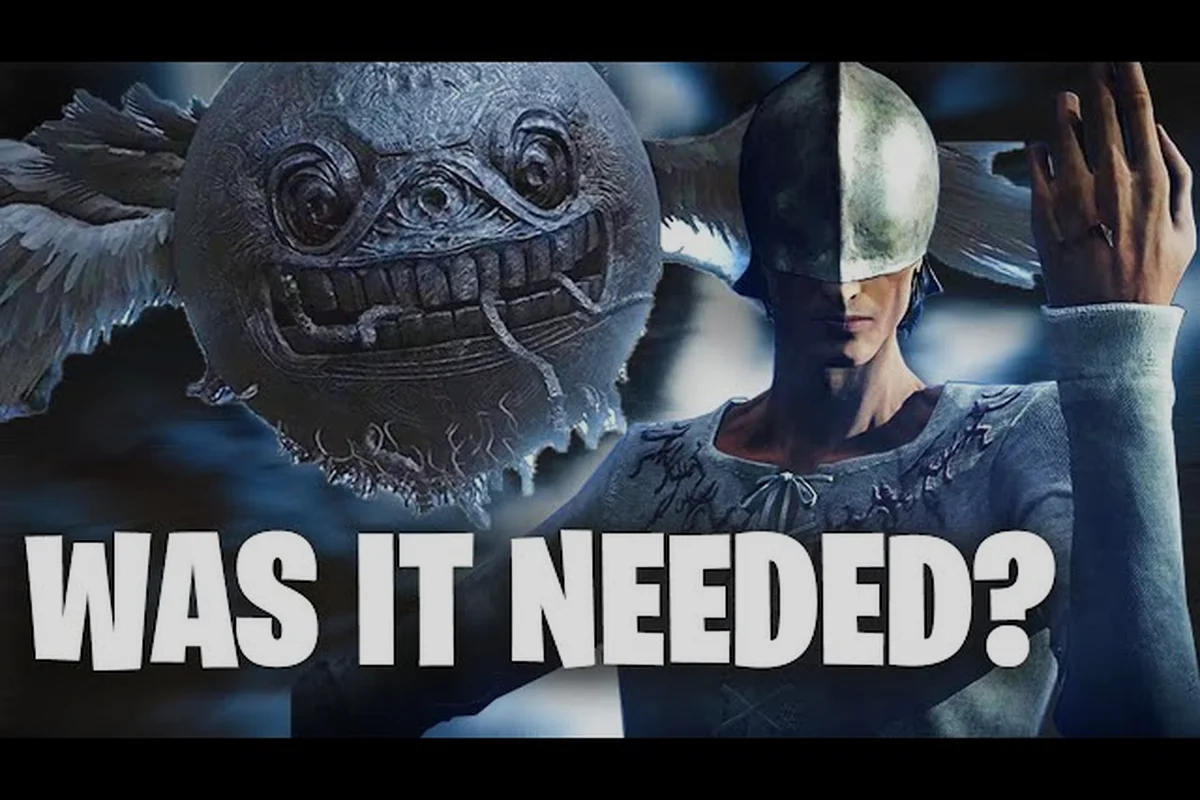
The Twilight of Humanity is the dying breath of a world stretched across centuries, and every gothic map in The Duskbloods is a fragment of that collapse. FromSoftware's upcoming Switch 2 exclusive pulls fighters from different eras into one undefined battleground, which means the architecture you fight through tells a story of its own. Understanding this setting is the key to reading both the environment and the match itself, because every spire, alley, and train carriage shapes how a Dusk Battle unfolds. Discover how the world building behind the twilight of humanity turns each map into a character you must learn to survive.
-
The final sunset never arrives; it simply lingers, a wound that refuses to close.
-
Memory dissolves into ash, yet the ache of what was remains sharper than any blade.
-
In the gloaming, every shadow wears a human face, and every face is already gone.
-
Hope is the last ember, and even it burns only to illuminate the coming dark.
-
We are not the end of the story—we are the footnote no one will read.
-
Every map is a fragment of a different era, so a single match rotation can move from a Victorian thoroughfare to a devastated train line without breaking the lore.
-
The moontears' power is what stitches these borrowed moments together, and the tagline's "one and one alone" frames the dusk hour as a single decisive contest.
-
The Bloodsworn are summoned when the world is ending, which is why the combat is a fight over First Blood rather than a journey through a static kingdom.
-
Gothic Victorian details such as ornate ironwork, spires, and gaslit streets serve as visual shorthand for a society that already knows it is collapsing.
-
Unlike Bloodborne's single city, the duskbloods maps layer multiple ages, giving each gothic map design a flexibility that keeps matches unpredictable.
The Duskbloods Twilight of Humanity: A World Built on Borrowed Time
The setting of The Duskbloods is not a single kingdom or a fixed historical period. According to Hidetaka Miyazaki's interview with Nintendo's Creator's Voice, players are summoned from different eras to an undefined time and place, which means the world exists as a patchwork of moments stitched together by the moontears' power. The tagline — "The moontears will flow for one and one alone" — frames every match as a contest over a resource that decides who gets to survive the end of everything.
This premise drives the duskbloods world building in a direction FromSoftware has never fully committed to before. Instead of exploring one decaying kingdom, you are dropped into a collapsing timeline where gothic Victorian architecture meets remnants of other ages, and that collision is what makes each map feel alive.
The Twilight of Humanity is the narrative container for all of this, and it is not just background flavor. It justifies why the multiplayer combat exists at all. When the world is ending, the Bloodsworn are called to fight over the First Blood — the prize that determines who lives on. That is the reason you are not exploring this world for lore scrolls; you are fighting through it for survival.
How the Gothic Victorian Style Defines the Visual Language
The gothic Victorian aesthetic is not a random stylistic choice. It is the visual shorthand for a society that knows it is ending. The architecture in the duskbloods maps leans heavily on ornate ironwork, towering spires, and gaslit streets, all of which create a mood of decayed elegance. Community observations from the network test footage note that the environments feel like a "Victorian postcard that someone set on fire," which captures the tone perfectly.
What makes this setting distinct from previous FromSoftware work is the multi-era layering. While Bloodborne was locked into a single gothic city, The Duskbloods can shift between a Victorian thoroughfare, a devastated train line, and a crumbling industrial district within the same match rotation. This variety is a direct result of the "summoned from everywhen" premise, and it gives the map design a flexibility that keeps matches unpredictable.
Decoding the Duskbloods Map Design: From Train Cars to Gothic Streets
The confirmed maps so far come primarily from the network test footage and the official gameplay reveal trailer. While the full list remains under wraps, the community has catalogued several distinct environments that showcase the range of the duskbloods gothic maps.
| Map Environment | Confirmed Elements | Atmosphere | Gameplay Impact |
|---|---|---|---|
| Train Level | Moving carriages, narrow corridors, open roof sections | Industrial decay meets Victorian travel | Vertical combat zones, limited escape routes |
| Gaslit City Streets | Cobblestone alleys, wrought-iron gates, rooftop paths | Classic gothic Victorian style | Multiple flanking routes, strong sightlines |
| Underground Vault | Stone arches, blood-filled channels, catacomb passages | Oppressive and claustrophobic | Close-quarters fights, ambush potential |
| Estate Grounds | Overgrown gardens, shattered conservatories, balconies | Decayed nobility, haunting elegance | Mixed-range engagements, verticality |
The train level has generated the most discussion because it is such a distinctive arena structure. Players who experienced the network test report that the moving environment creates a constant sense of pressure, since the match boundaries shift as the train progresses. That is a meaningful departure from the static arenas most PvPvE games offer, and it demonstrates how the duskbloods map design philosophy prioritizes environmental storytelling over simple combat spaces.
What the Undefined Time and Place Means for Map Variety
Because the game pulls characters from different eras, the maps are not bound to one historical period. This is the core creative advantage of the undefined time and place setting. The developers can introduce a gothic cathedral in one map and a ruined factory in the next without breaking the lore, because both exist within the twilight of humanity's collapse.
For players, this means the the duskbloods maps are likely to rotate through a wide range of architectural styles as the game receives updates. The world building sets up a nearly infinite canvas, and if FromSoftware follows its usual post-launch content pattern, future maps could pull from other eras that have not been shown yet. Community speculation points to ancient ruins, war-torn battlefields, and even futuristic remnants as possible additions, all justified by the multi-era summoning premise.
The Duskbloods Maps as Tactical Arenas: What the Layouts Reveal
The Duskbloods' map design is not merely a matter of visual fidelity — it fundamentally shapes how eight players interact in every Dusk Battle. Each gothic Victorian environment, from the rain-slicked train platforms to the towering cathedral interiors, forces distinct tactical considerations that go beyond simple navigation. For instance, the verticality enabled by superhuman sprinting and double jumps means that high ground is never truly secure, while narrow corridors funnel close-quarters melee combat and open plazas invite ranged firearm exchanges. Understanding these spatial dynamics is essential for anyone aiming to win consistently, as the placement of boss arenas, dynamic event triggers, and Victory Point zones all hinge on how the map's architecture channels player movement and conflict.
The gaslit city streets map, for example, rewards players who use verticality. Rooftop paths allow for safe rotations, while the street level is a deathtrap of sightlines and ambush points. The train level, by contrast, punishes players who stay in the open for too long, because the narrow corridors create predictable chokepoints that rival players can camp.
Key Map Features and Their Strategic Value
| Map Feature | Strategic Use | Risk Level | Best Bloodsworn Matchup |
|---|---|---|---|
| Rooftop Access | Flanking routes, escape options | Medium exposure | Characters with high mobility |
| Narrow Corridors | Chokepoint control, ambush zones | High risk | Melee-focused Bloodsworn |
| Open Courtyards | Long-range engagements, point control | Medium risk | Ranged weapon users |
| Interior Rooms | Loot caches, safe respawns | Low exposure | Balanced loadouts |
The strategic depth of the duskbloods gothic maps goes beyond simple lane control. Because the world is ending, the environment itself often reflects the violence of the twilight of humanity — collapsed structures, bloodstained floors, and flickering lights are not just decoration. They serve as visual cues for dynamic events and objective spawns, which observant players can use to predict where the action will shift next.
How World Building Shapes Player Objectives in Dusk Battles
The connection between the duskbloods world building and the actual gameplay loop is tighter than it first appears. The Victory Points system does not exist in a vacuum — it is the mechanical expression of the moontears prophecy. When you fight for First Blood or survive to the final bell, you are enacting the lore in real time.
In the Creator's Voice interview, Miyazaki explained that winning is not required to earn customization rewards, because the Blood History and Blood Fate systems record your personal journey regardless of match outcome. That design decision reinforces the world building message: the twilight of humanity is not about winners and losers, but about who leaves a mark before the end.
| Story Element | Mechanical Expression | Player Takeaway |
|---|---|---|
| Moontears Prophecy | Victory Points as the contested resource | Every kill and objective matters |
| Bloodsworn Summoning | Multi-era character roster | Unique loadouts and playstyles |
| First Blood Event | Dynamic in-match objective | Map knowledge wins engagements |
| Twilight of Humanity | Match timer and final bell | Survival is a valid strategy |
This design philosophy means that even when you lose a Dusk Battle, the world building ensures your run was not wasted. The Blood Fate customization system records your choices and performances, which then feeds into how your Bloodsworn develops. It is a clever loop that keeps the gothic gothic theme present in every system.
The Lore Behind the Victory Conditions
The multiple victory conditions — survival, boss defeat, and highest Victory Points — are not arbitrary alternatives. They reflect the different ways someone might survive the end of the world. Survival is the instinct of the cautious; boss defeat is the ambition of the strong; and point accumulation is the cleverness of the opportunist. The gothic maps are designed to support all three approaches, which is why each environment includes areas suited to stealth, combat, and objective control.
If you want a deeper look at how these victory conditions connect to the broader story, the story explained guide breaks down the narrative threads in detail. That guide examines how the Twilight of Humanity setting, the Bloodsworn's summoning across different times and places, and the personal goals of Destined Rivals or Destined Companion all interweave with the map-specific lore found in each environment. It also clarifies how the tagline 'The moontears will flow for one and one alone' resonates through the game's thematic emphasis on sacrifice and singular triumph, giving you the narrative context needed to appreciate why certain locations feel so charged with meaning during a Dusk Battle.
Gothic Map Aesthetics and Environmental Storytelling: Reading the Ruins
FromSoftware has always excelled at environmental storytelling, and the Duskbloods map design continues that tradition. The gothic Victorian maps are filled with narrative details that players can read if they take the time to look — from faded newspaper clippings hinting at the collapse of society to abandoned tea sets that suggest sudden departures during the final days of humanity. The train level, for example, is not just a set piece; its shattered windows and bloodstained upholstery tell a story of desperate flight, while the architecture itself reflects the era's industrial melancholy. These details do more than decorate — they ground the supernatural conflict of the Bloodsworn in a tangible world, inviting players to piece together the lore of the Twilight of Humanity with each match they play.
The train level, for instance, is not just a moving arena. The first-class carriages with their ornate upholstery and shattered chandeliers tell the story of a society that refused to believe the end was coming. The third-class carriages, packed with abandoned belongings, show who actually paid the price. These details are easy to miss during the chaos of an eight-player match, but they reward attentive players with a richer understanding of the world.
According to the creators' interview on RPG Site, the twilight of humanity in The Duskbloods is driven by a cyclical resource‑drain mechanic where each character's "duskblood" meter depletes as they perform role‑playing actions, forcing players to balance narrative choices against survival.
What the Architecture Tells Us About the Duskbloods
| Architectural Detail | Lore Implication | Player Action |
|---|---|---|
| Shattered Stained Glass | Religious institutions failed their followers | Look for hidden rooms behind altars |
| Burnt Furniture Barricades | Civilians tried to fight back | Expect improvised cover spots |
| Pristine Bloodstains | The First Blood event has happened here before | Anticipate dynamic event spawns |
| Overgrown Vines | Time has passed without maintenance | Use foliage as visual cover |
These details reinforce the twilight of humanity theme on a micro level. Every map is a snapshot of the moment the world stopped working, and the environmental storytelling is designed to make players feel like they are fighting through a funeral procession rather than a simple arena. That mood is what separates The Duskbloods from other PvPvE games, and it is worth appreciating even when you are getting ganked by three players on a rooftop.
Preparing for the Twilight: Final Thoughts on the Gothic Maps
The the duskbloods maps are more than just backdrops for combat — they are the physical manifestation of the game's core tragedy, and learning their layouts is the single best way to improve your match performance. Every gothic corner, every bloodstained corridor, and every crumbling spire is a piece of the world building that can turn the tide of a Dusk Battle.
For players who want to understand the full scope of the setting, the dusk of humanity guide offers a deeper dive into the Victorian era influences, while the what is the duskbloods about guide covers the broader narrative framework. And if you are new to the game and want to survive your first fights, the beginner guide will help you pick the right strategies for whatever map you drop into.
What is your favorite gothic environment from the network test footage? Are you more drawn to the claustrophobic train carriages or the open rooftops of the gaslit city? Share your thoughts in the comments and tell us which map you think will become the community's favorite battleground when The Duskbloods launches in 2026.
Frequently Asked Questions
What is the Twilight of Humanity in The Duskbloods?
The Twilight of Humanity is the game's central setting, representing the end of the world where Bloodsworn are summoned from different eras to fight for the moontears. It justifies the multiplayer combat loop and shapes the duskbloods gothic maps you fight through.
How many maps are in The Duskbloods?
The full map list has not been confirmed yet. The network test revealed at least four distinct environments, including a train level, gaslit city streets, an underground vault, and estate grounds. Based on the multi-era premise, the final game will likely feature more the duskbloods maps at launch.
Are the maps in The Duskbloods based on real locations?
No, the maps are original designs inspired by gothic Victorian architecture rather than direct recreations of real places. The duskbloods map design combines industrial elements, noble estates, and decaying urban spaces to create a fictional world that feels historically grounded.
Will future maps be added after launch?
Based on FromSoftware's track record with post-launch content and the multi-era world building premise, additional maps are likely. The "summoned from everywhen" setting allows for environments from any historical period, which gives the developers significant creative room for future gothic maps and other styles.